
Allergen Control Program (ACP) for Food Companies course
- Duration: 4.5 hours
- Cost: $199
Create, implement, and maintain a Allergen Control Program (ACP) for Food Companies
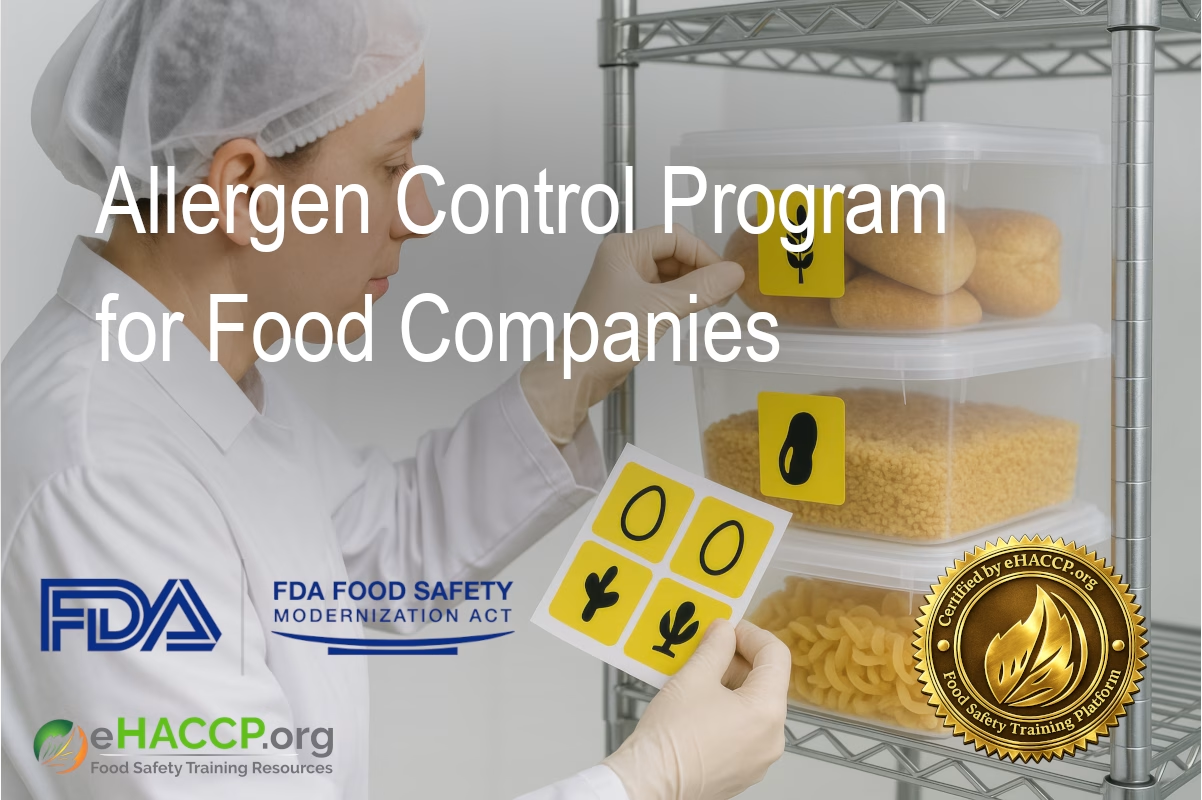
The Allergen Control Program course is designed to help your facility become audit-ready by developing and implementing a compliant allergen control system.
Learn how to create, implement, and maintain an Allergen Control Program using a practical, step-by-step approach. This course helps your facility meet requirements established by the U.S. Food and Drug Administration (FDA) under the Food Safety Modernization Act (FSMA) for the control of food allergens and prevention of cross-contamination. All required documentation, templates, and tools are included to help you implement your program quickly and confidently. Thg course incorporates content offered by the The Food Allergen Labeling and Consumer Protection Act (FALCPA).
Course Objectives
At the end of this course, you will be able to:
- Develop and document an Allergen Control Program (ACP)
- Establish allergen control requirements and specifications
- Conduct an allergen risk assessment for your facility
- Create and maintain an allergen inventory and registry
- Implement monitoring and verification activities
- Build, implement, and maintain a complete Allergen Control Program
Features
This course provides you with:
- Narrated and interactive content
- Documents required to create your Allergen Control Program
- Digital certificate
- 1 year access
- SCORM compliant
- Live support
Learning Objectives
At the end of this course, you will understand:
- What an Allergen Control Program (ACP) is and how it functions within a food safety system
- The legal and industry requirements for allergen control, including expectations from the U.S. Food and Drug Administration and GFSI-recognized standards
- The risks associated with food allergens and cross-contamination
- How to develop and document an Allergen Control Program (templates included)
- How to conduct supplier evaluations and allergen-related assessments
- How to approve and manage suppliers from an allergen risk perspective
- How to maintain and update your Allergen Control Program
- How to verify and validate the effectiveness of your ACP
Benefits
The primary benefit of an Allergen Control Program is to ensure that only safe products enter and are produced within the facility. In addition, it provides a number of key operational and business advantages:
- Comply with requirements established by the U.S. Food and Drug Administration and GFSI-recognized standards
- Reduce the risk of costly allergen-related recalls and incidents
- Ensure accurate allergen labeling and prevent cross-contamination
- Improve consistency and protect brand integrity
- Establish clear procedures for managing recalls and food safety incidents
- Standardize processes across receiving, storage, production, and labeling
- Improve employee awareness and reduce human error
- Strengthen customer, retailer, and auditor confidence in your facility
Included Documents
- Supplier Allergen Questionaire
- Allergen Spill Response
- Production Sequencing
- Allergen Receiving & Storage
- Allergen Spill Incident Report
- Production Line Changeover Log
- Ingredient Substitution Log
- Receiving Inspection Checklist
- Label Approval & Verification Checklist
- Internal Facility Allergen Audit Checklist
- Hidden Allergens Quick Reference Chart
- Color Coding Equipment Guide
- Know Your Major Allergens Poster
The eHACCP.org Allergen Control Program for Food Companies course provides a complete, practical solution for food companies looking to strengthen their food safety systems and achieve audit readiness with confidence.
In just 4.5 hours, your team will gain the knowledge, tools, and ready-to-use documentation needed to build, implement, and maintain a compliant allergen control system aligned with expectations from the U.S. Food and Drug Administration and GFSI-recognized standards.
Designed for real-world application, not just theory, this course helps you reduce risk, prevent costly allergen-related incidents, and protect your brand.
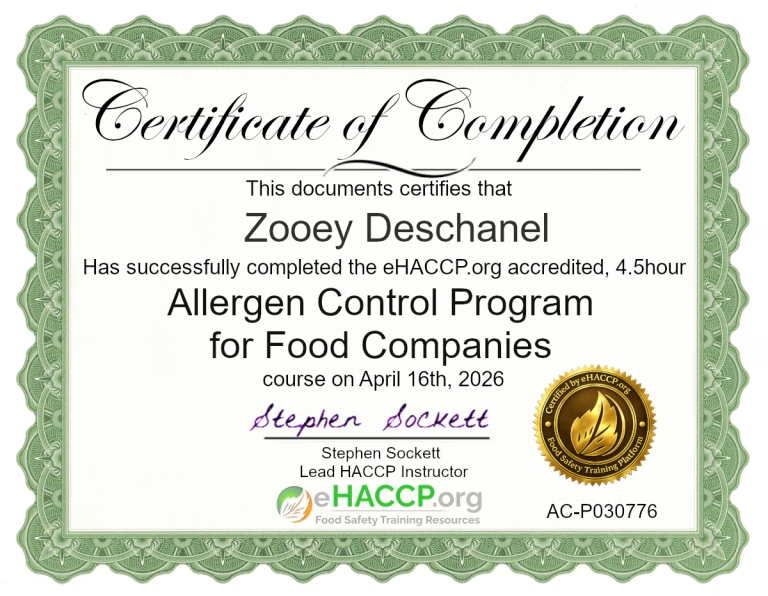
Upon completion, participants receive a certificate, demonstrating their competency and your facility’s commitment to food safety excellence.