
There’s More to the FDA and HACCP Than Warning Letters
The origins of the FDA (U.S. Food and Drug Administration) can be traced back to the late 19th and early 20th centuries when concerns over the safety and quality of food and drugs began to emerge. Prior to the establishment of the FDA, there were limited regulations in place to ensure the safety and efficacy […]
HACCP is Climate Friendly
HACCP (Hazard Analysis and Critical Control Points) is a food safety management system that is designed to identify and control potential hazards in food production processes. While HACCP may not directly address climate change, it can play a role in reducing the environmental impact of food production, which is a major contributor to climate change. […]
HACCP and the BRC Scheme
HACCP is a requirement under BRC. Being HAACP certified is a preliminary step that cannot be overlooked. BRC is a Global Food Safety Initiative (GFSI) benchmarked food safety standard covering food safety and management of product quality in food packing and processing operations.
Personal HACCP Certification vs. Facility HACCP Certification
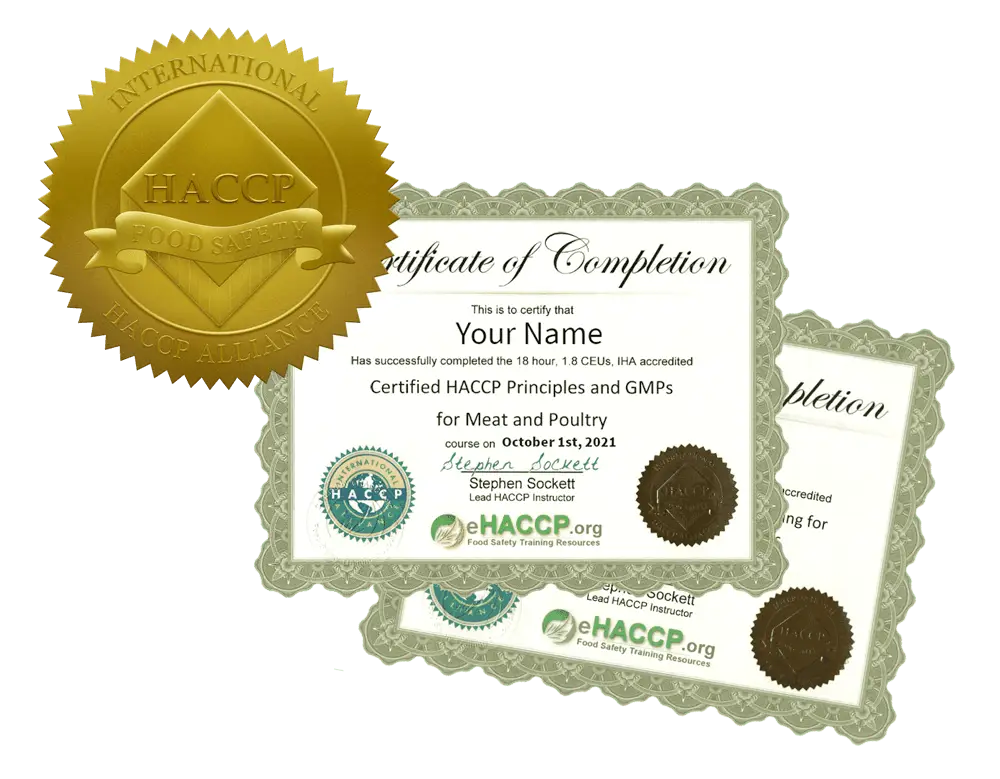
In today’s world of sensitive consumer needs for food safety, it is imperative that a food manufacturing facility (and brand) obtain a HACCP certification, at minimum. Implementing a HACCP food safety system and gaining HACCP certification may the gateway to growth in business opportunities (new clients), demonstrating food safety commitment, and solidifying the viability of […]
Who can create a HACCP plan and implement a HACCP system?

A HACCP Team can be defined as a group of people who have adequate skills and knowledge applicable to the development and implementation of a HACCP-based food safety program.
Who regulates HACCP in the US?
the Food and Drug Administration (FDA) and the United States Department of Agriculture (USDA) are the primary agencies responsible for regulating the HACCP system.
Does the FDA Enforce Food Import Regulations?
Yes, the FDA (U.S. Food and Drug Administration) enforces food import regulations to ensure that imported foods meet the same safety standards as domestic foods. The FDA has the authority to inspect and detain imported food products at U.S. ports of entry and can refuse entry to any product that does not meet its safety […]
Does SQF Credit a Facility for HACCP Trained Employees?

Yes, SQF (Safe Quality Food) program does credit a facility for HACCP (Hazard Analysis and Critical Control Points) trained employees. The SQF program is a food safety management system that includes HACCP principles as a core component.
What is a Critical Control Point (CCP)?
A critical control point (CCP) is a point, step, or procedure in a food production process where a potential hazard can be prevented, eliminated, or reduced to an acceptable level. It is a key step at which a specific measure can be applied to prevent or reduce the likelihood of a food safety hazard occurring.
Why is HACCP So Important
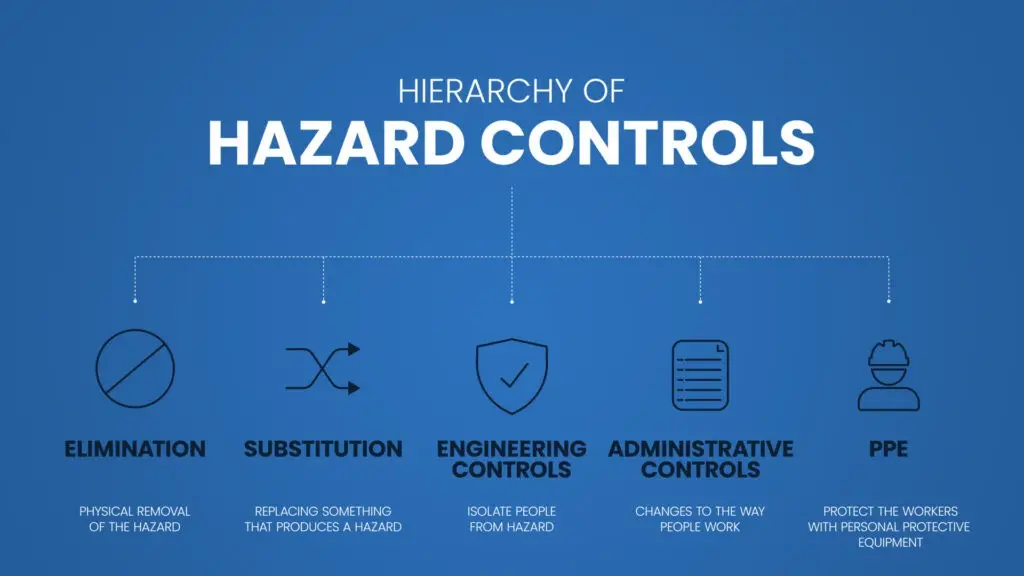
By implementing HACCP, food producers can take proactive steps to prevent food safety issues before they occur, rather than simply reacting to them after they have happened. This can help to protect consumers from foodborne illness..