
What are the 12 Steps of HACCP?
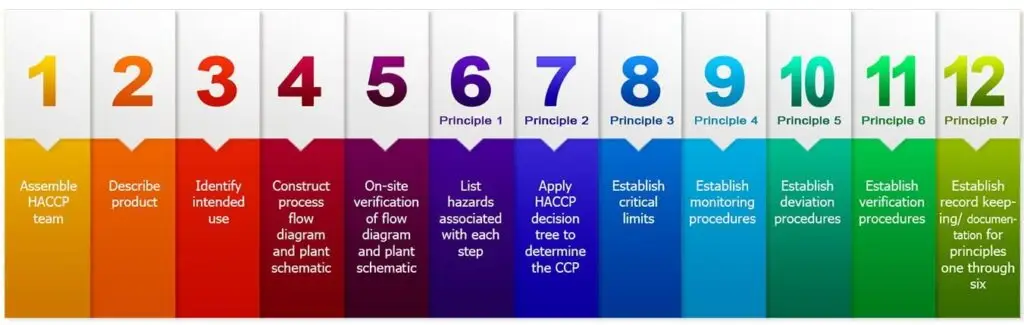
HACCP, which stands for Hazard Analysis and Critical Control Points, is a systematic approach to food safety that is used to identify and control potential hazards in food production and preparation. The 12 steps of HACCP are as follows:
Primus GFS HACCP Training Requirements
One member of the HACCP team, should have a certificate of a formal HACCP training from a recognized organization, institution or trainer with a minimum duration of 2 days or 16 hours, taken within the last 5 years. The rest of the team should have at least an internal training to make sure they are knowledgeable of the HACCP principles. These trainings should be documented.
A Business Case for On Line HACCP Training

When it comes to HACCP training, Who? What? When? and How? are questions that have an ever-increasing variable of answers. Solutions such as outreach programs, consultants, classrooms, online and self-directed are only a few possibilities. Corporate culture will usually dictate how training is delivered but many are breaking with tradition and turning to online training for HACCP certification.
How Much Does a Food Safety Plan Cost?
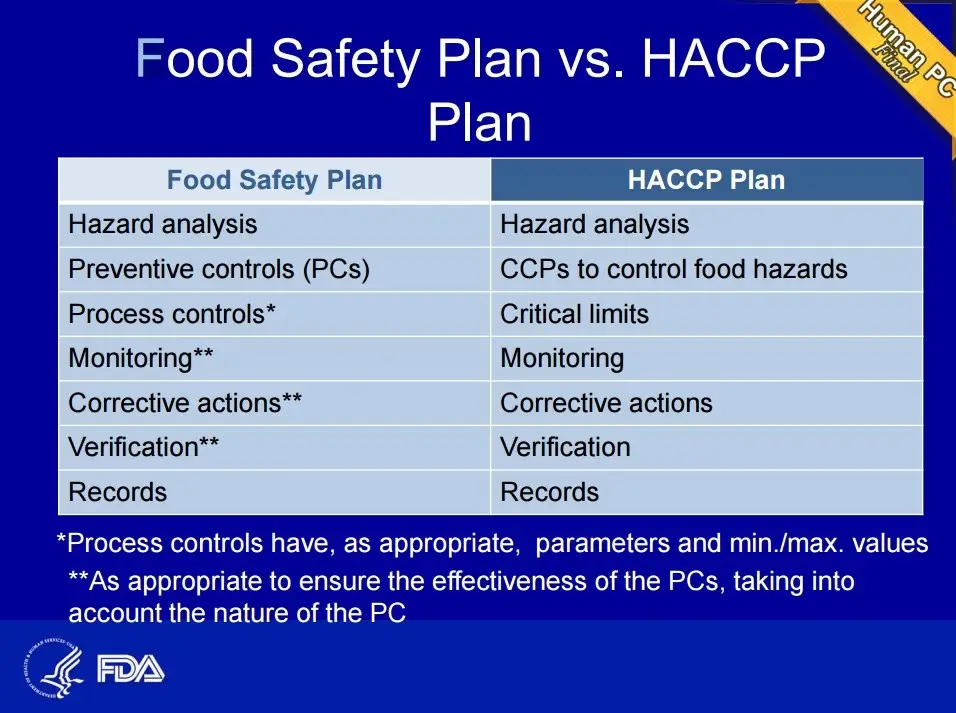
In general, the cost of developing a food safety plan can range from a few hundred dollars to several thousand dollars. The cost of implementing the plan and maintaining it over time will also vary depending on the specific requirements of the plan and the resources required to meet those requirements. It is important for businesses to carefully consider the costs associated with developing and implementing a food safety plan in order to determine whether it is a viable option for their business.
How to Get a HACCP Certificate?
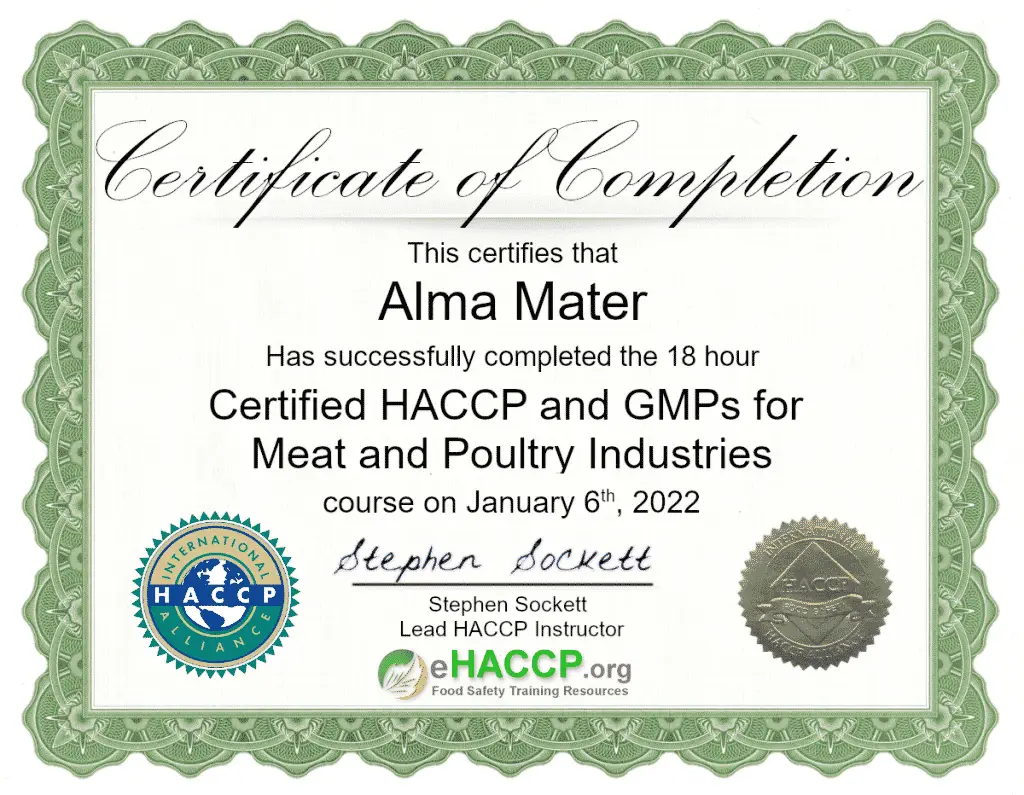
Find a training course: There are a number of organizations that offer HACCP training courses, both in-person and online. These courses should be accredited an can vary in length and intensity, so it is important to find one that meets your needs and schedule.
What are the Advantages of HACCP?

Continuous improvement: HACCP is a continuous process, which means it is constantly reviewed and updated to ensure that it is effective in controlling hazards. This helps to improve the overall safety of food products over time.
What are the GMPs to HACCP?
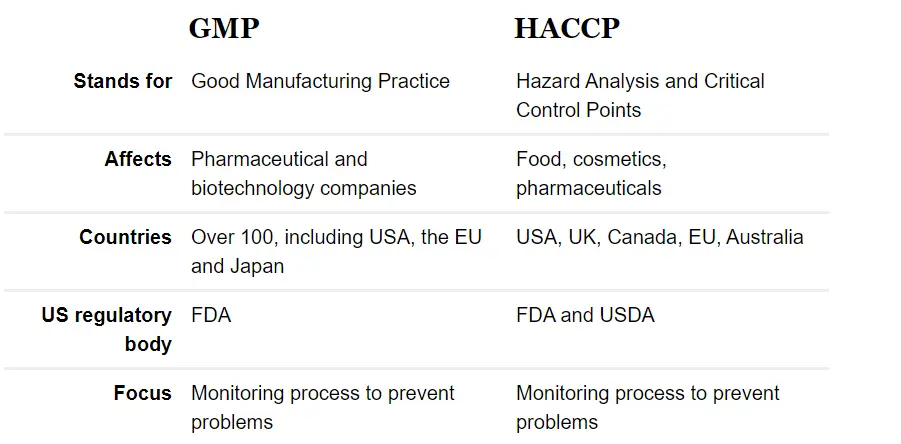
GMPs are an important element of a food safety plan and are often used in conjunction with HACCP HACCP is a food safety management system that is used to identify and prevent potential hazards in the food production process, while GMPs focus on the overall cleanliness and operation of the facility.
What is a Hazard Assessment in a Food Safety Plan?
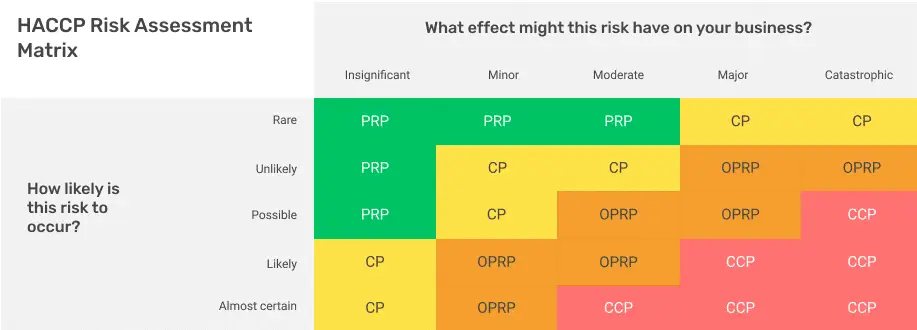
A hazard assessment is an important step (Principle 1 of your HACCP plan development) in developing a food safety plan. It involves identifying and evaluating potential hazards that may be present at different stages of the food production process, from raw material production to final product distribution. The goal of the hazard assessment is to identify and prioritize the hazards that are most likely to occur and that have the greatest potential to cause harm, so that appropriate preventive controls can be implemented to reduce the risk of these hazards.
The Cost of Foodborne Illness
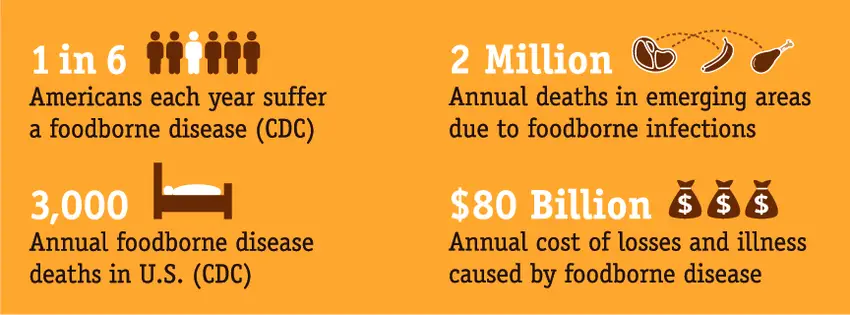
Foodborne illness can have significant costs for individuals, businesses, and society as a whole. These costs can be financial, such as medical expenses and lost productivity, as well as non-financial, such as the impact on quality of life and overall well-being. For individuals, the costs of foodborne illness can include medical expenses, such as hospitalization […]
Is Online HACCP Training Better Than Classroom Training?

In general, it is important to choose a HACCP training course that is delivered by and accredited and qualified instructors and meets the requirements of your industry or regulatory agency. Whether you choose online or classroom training, make sure to do your research and choose a reputable provider.