
HACCP vs. PCQI Training: What Food Businesses Need to Know About Modern Food Safety Training
Food safety and food safety training is no longer optional, it is, in fact, a legal, operational, and reputational necessity. Food safety is required. From small scale food producers/processors, large-scale manufacturers, and everyone in between, food businesses businesses are expected to implement structured food safety systems that prevent hazards before they happen. Two of the […]
HACCP Systems and Pathogen Control: A Comprehensive Review
HACCP Systems and Pathogen Control: A Comprehensive Review This report synthesizes findings from 40 research papers (20 from PubMed and 20 from Google Scholar) examining the effectiveness of Hazard Analysis and Critical Control Point (HACCP) systems in controlling foodborne pathogens. The analysis identifies five primary pathogens best controlled under HACCP systems: Salmonella, Campylobacter, Listeria monocytogenes, […]
What is a Foodborne Hazards?
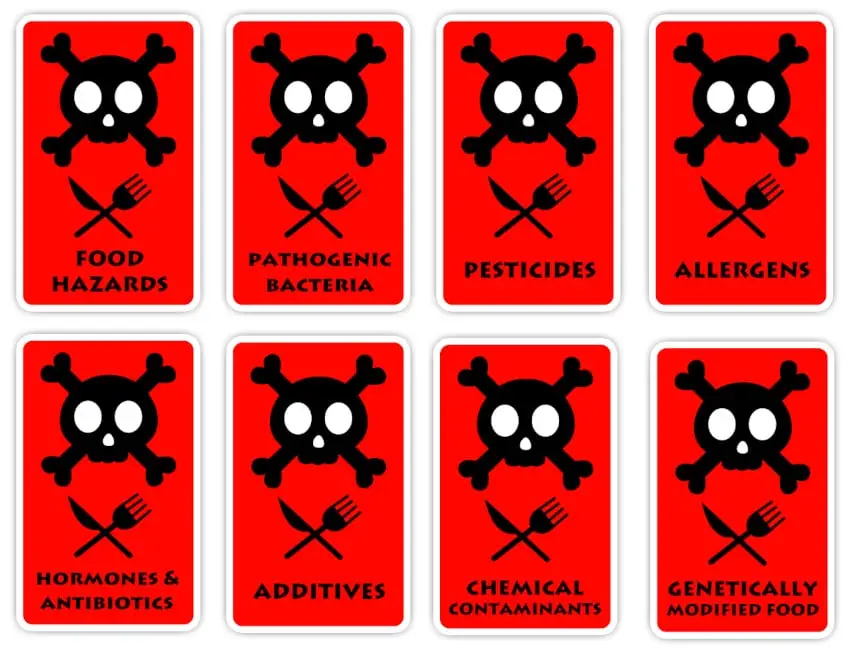
A foodborne hazard is any biological, chemical, or physical agent that is present in food and has the potential to cause harm to human health.
Is Online HACCP Training Better Than Classroom Training?

In general, it is important to choose a HACCP training course that is delivered by and accredited and qualified instructors and meets the requirements of your industry or regulatory agency. Whether you choose online or classroom training, make sure to do your research and choose a reputable provider.
What is HACCP Training?

HACCP (Hazard Analysis and Critical Control Points) is a food safety management system that helps ensure that food is prepared and handled in a safe and hygienic manner. HACCP training involves educating food industry workers on the principles and practices of HACCP and how to implement them in their workplace. This may include understanding how to identify and assess food safety hazards, implementing preventive controls to address those hazards, and establishing procedures for monitoring and verifying that the controls are effective. HACCP training is often required for food industry workers as a way to protect public health and prevent foodborne illness.